Using renewable energy when it is needed
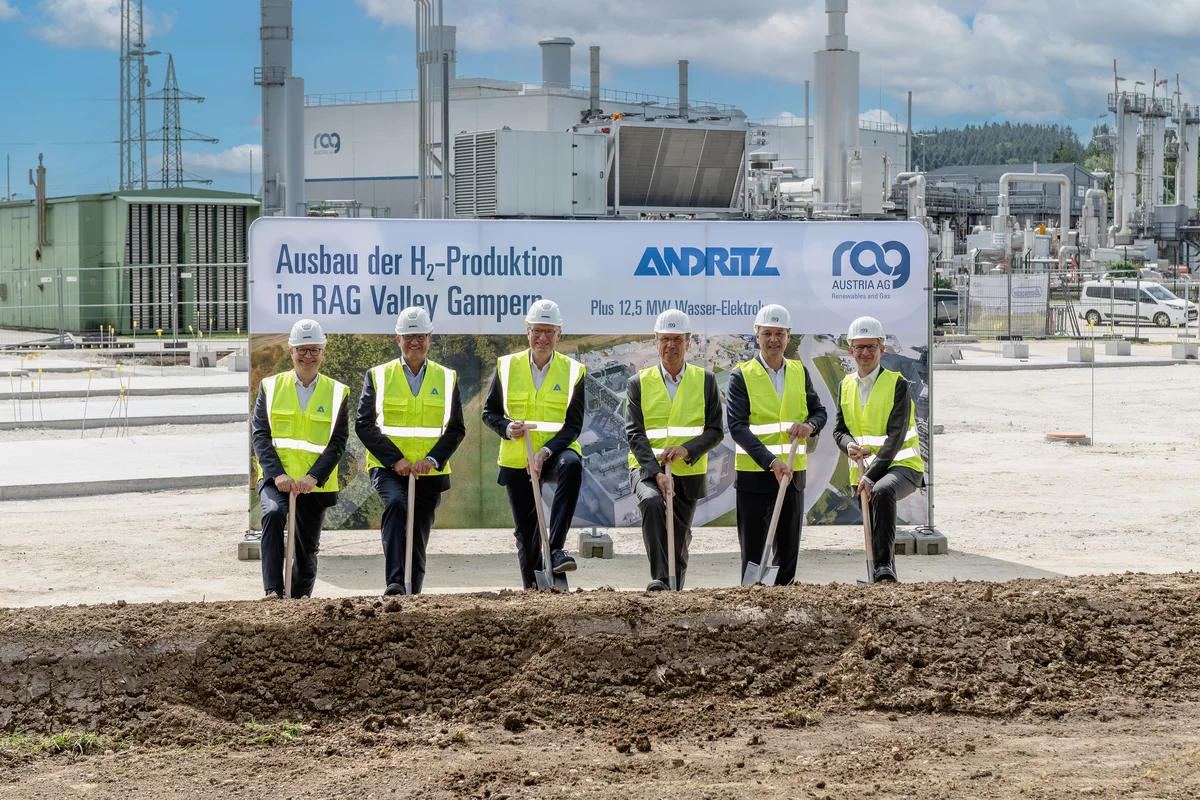
One of the biggest challenges of the energy transition is storing electricity from wind and solar power plants for the long term. This is because renewable energy is not always available precisely when demand is at its highest. The new hydrogen project offers a solution to this: surplus solar power from the summer months is converted into green hydrogen and stored. This energy carrier can then be used later – for example, in winter – to provide electricity and heat, or to supply energy-intensive industrial plants in a climate-friendly way. In this way, renewable energy becomes available with greater flexibility and can be used much more efficiently.
Greater security of supply for Austria
The project is a key building block for the energy transition. Surplus solar power is no longer left unused, but is converted into green hydrogen and stored. This means that renewable energy can be used even when the sun and wind are generating less electricity. At the same time, domestic hydrogen production strengthens the energy supply, reduces dependence on fossil fuel imports and helps to relieve the strain on the electricity grid.
A win for Austria
Both the economy and society stand to benefit from this development. A reliable supply of renewable energy provides planning certainty for businesses and households and supports industry in reducing its CO₂ emissions. At the same time, this major project strengthens Austria as a business location: planning, construction and operation create jobs, promote innovation and secure valuable expertise in the future-oriented field of hydrogen. Regional suppliers and skilled workers also benefit from this.
#schongenial, because this project will help make Austria’s energy supply more resilient to crises in the long term and lay the foundations for a climate-friendly and competitive economy.