Rediscovering valuable raw materials
The rising demand for raw materials is opening up innovative prospects for their efficient use and recycling. There is enormous untapped potential, particularly in the construction sector: in the EU alone, around 857 million tonnes of construction and demolition waste are generated annually. These are valuable materials that, with the right technology, can be returned to the economic cycle.
Using state-of-the-art technology, Binder+Co unlocks previously untapped raw material potential and drives the circular economy forward. The Styrian machinery and plant manufacturer develops intelligent sorting, screening and drying solutions that optimise the use of raw materials and extend their service life.
“Our solutions enable a higher yield of raw materials; they turn waste into recyclable materials and increase their value – whilst at the same time extending the usable life of deposits,” explains CEO Jörg Rosegger.
Swiss flagship project brings the circular economy to life
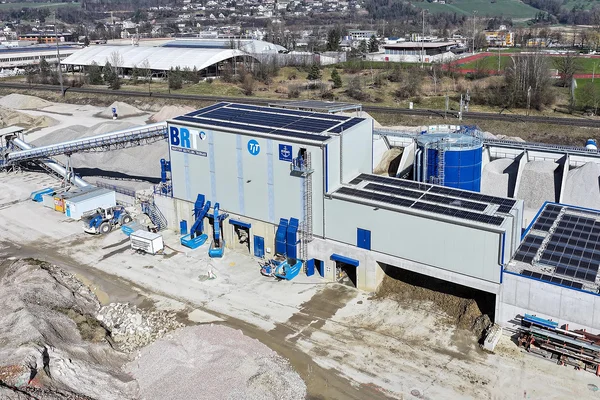
A project by BRT AG in Switzerland demonstrates just how successfully this works. There, construction waste and excavated soil are processed in such a way that around 75 per cent of the material can be reused as sand and gravel.
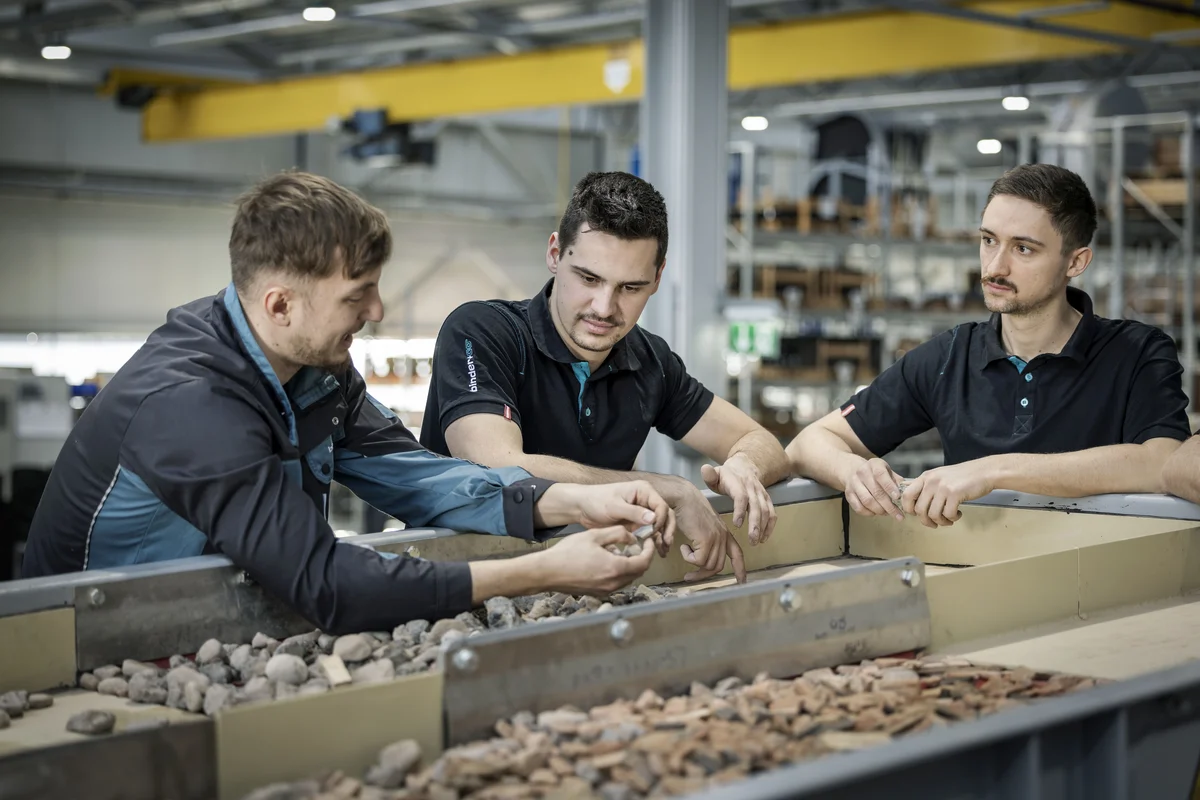
The sensor-based CLARITY sorting machines from Binder+Co play a key role in this process. High-resolution cameras detect even the smallest differences in material and separate, for example, broken bricks from high-quality gravel.
The results are impressive: the recovered sand and gravel go straight into concrete production at a neighbouring plant. Even the sorted brick rubble is given a new use as an aggregate for roof substrates. In this way, existing materials are transformed into new value and contribute to regional material cycles.
Artificial intelligence opens up new possibilities
Binder+Co is also looking to the future in terms of technology. Artificial intelligence is making sorting processes increasingly precise and opening up new areas of application. Even materials that are visually difficult to distinguish, such as black asphalt, slag and gravel, can be separated with precision.
Metal recycling offers further opportunities. With AI-supported sorting and innovative LIBS technology, different metals can be recovered even more efficiently.
To drive these developments forward, Binder+Co is investing more in research and development than ever before. The company receives support from, amongst other sources, the AWS ‘Green Front Runner’ funding programme.
Innovation from Styria for the world
The growing demand for recycling technologies confirms that the company is on the right track. With international subsidiaries and branches, Binder+Co has a global presence and is continuously tapping into new markets. “We want to think differently,” emphasises CTO Peter Gradwohl, adding: “We don’t just want to sell our solutions to large corporations; we also want to make them accessible to smaller businesses.”
The #schongeniale vision behind this is that the circular economy should not only make ecological sense but also be economically attractive, thereby becoming a genuine opportunity for the future for businesses of all sizes.