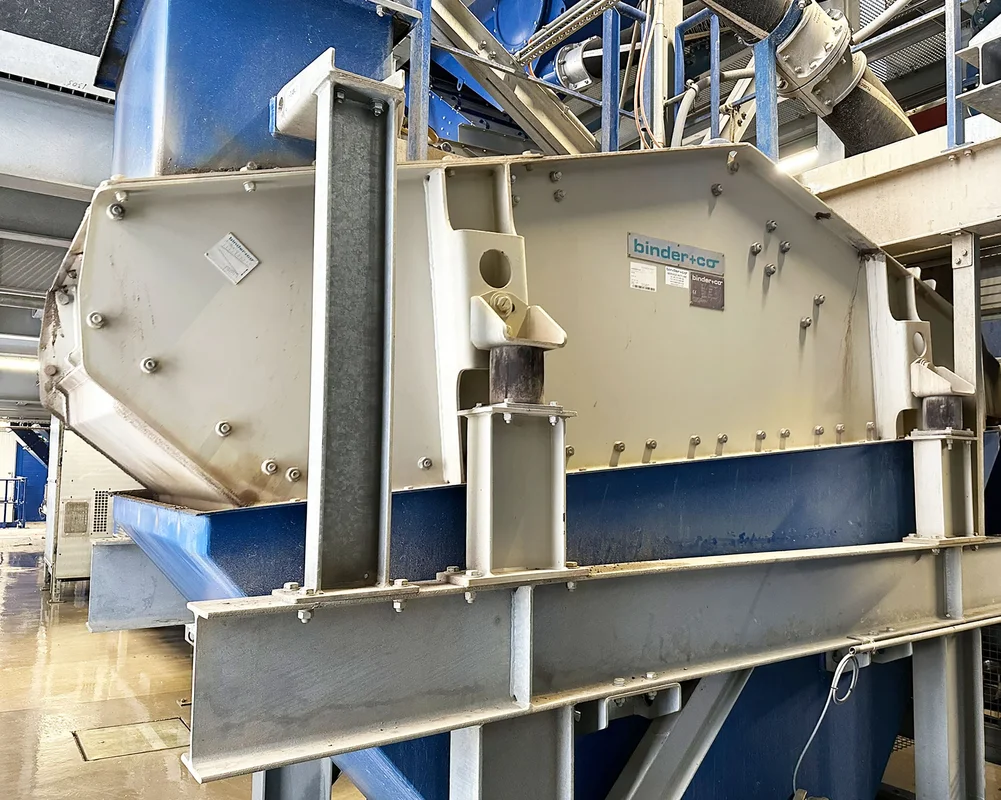
Binder+Co, based in Gleisdorf, provides a crucial component for this through its state-of-the-art sorting technology and helps to close material cycles in places where particularly large quantities are handled.
The real impact goes beyond the recycling of individual tonnes of material. This is because when secondary raw materials can replace primary materials whilst maintaining the same quality, the way resources are managed changes fundamentally: value creation becomes less dependent on the extraction of new raw materials, and existing materials remain economically usable for longer. Particularly in the resource-intensive construction sector, this represents a key lever for a functioning circular economy.
When cameras recognise what is recyclable
Crushing, screening and washing have long been established processes in construction material recycling. However, to recover high-quality sand and gravel from processed material, a further step is required: precise sorting.
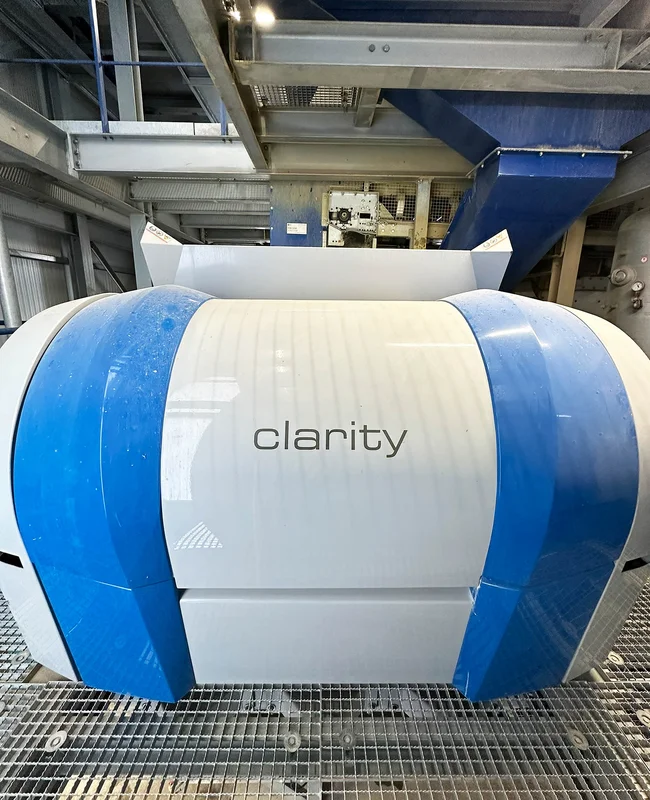
This is where CLARITY technology from Binder+Co comes into play. High-resolution cameras detect colour differences and material characteristics. This enables unwanted components, such as broken bricks or other foreign materials, to be specifically separated from the high-quality gravel.
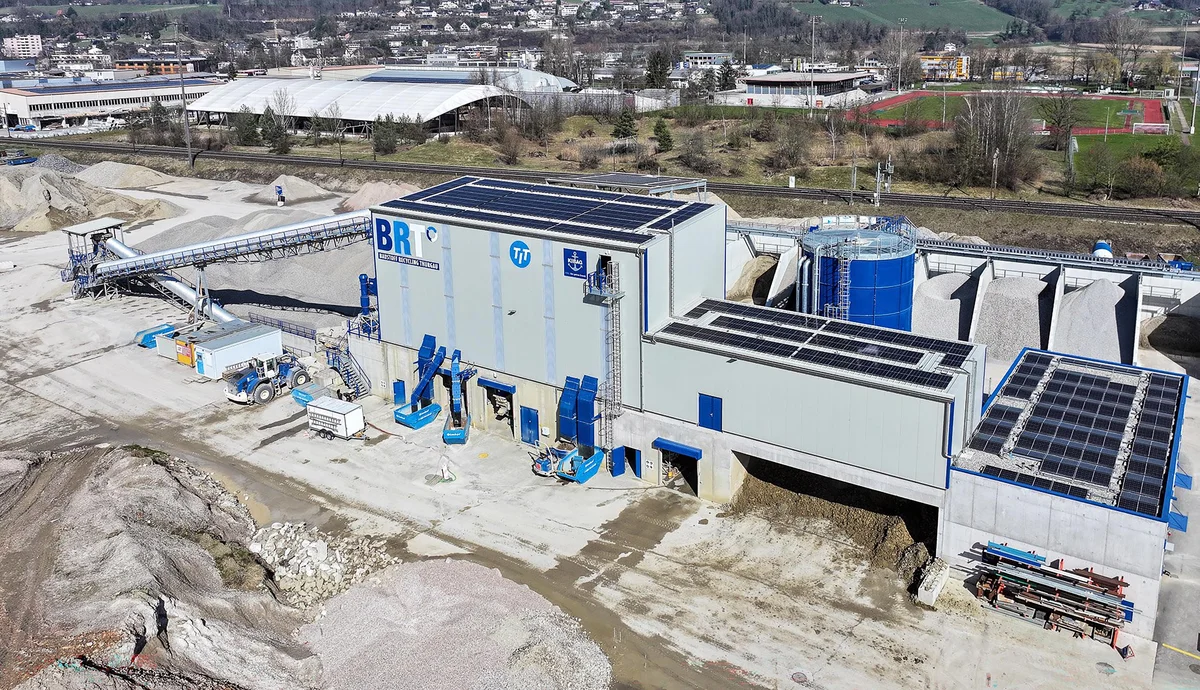
BRT Baustoff Recycling Thurgau AG in Switzerland demonstrates just how effectively this works. Several machines from the Styrian plant manufacturer are already in operation there, including two CLARITY sorting plants.
75 per cent back into the cycle
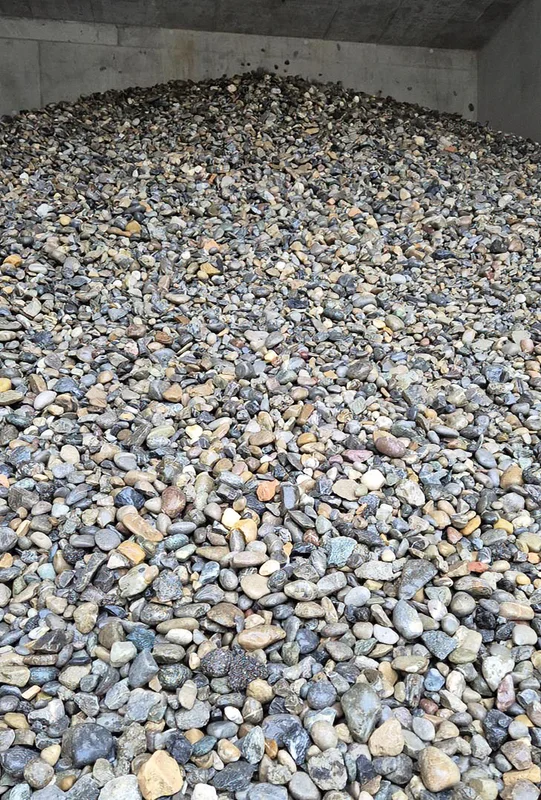
Among other things, BRT processes excavated material that is chemically contaminated or mixed with construction waste. Nevertheless, around 75 per cent of the processed material can be returned to the material cycle as sand and gravel.
After washing, crushing and separation by grain size, the sorting plants carry out the crucial quality control step. Most of the recovered sand and gravel is used directly for concrete production at the adjacent concrete plant. Even sorted brick rubble, for example, is reused as a component of roof substrates.
What is crucial here is not merely that less material ends up in landfill. A linear system – extracting raw materials, using them in construction and finally disposing of them – is gradually giving way to a circular economy in which existing material is transformed back into a resource. This makes it possible to avoid the extraction, processing and transport of primary raw materials wherever recycled material can be used as an equivalent substitute. At the same time, the regional availability of raw materials is becoming increasingly important: materials recovered locally do not need to be extracted elsewhere and transported over long distances.
For society, this is also a matter of security of supply. Sand and gravel are essential materials for buildings and infrastructure. The more successfully we can meet part of this demand from existing material flows, the less dependent the construction industry will be in the long term on the availability of new deposits. Construction material recycling thus becomes not only an environmental measure, but also a building block for a more resilient supply of raw materials.
Artificial intelligence makes sorting even more accurate
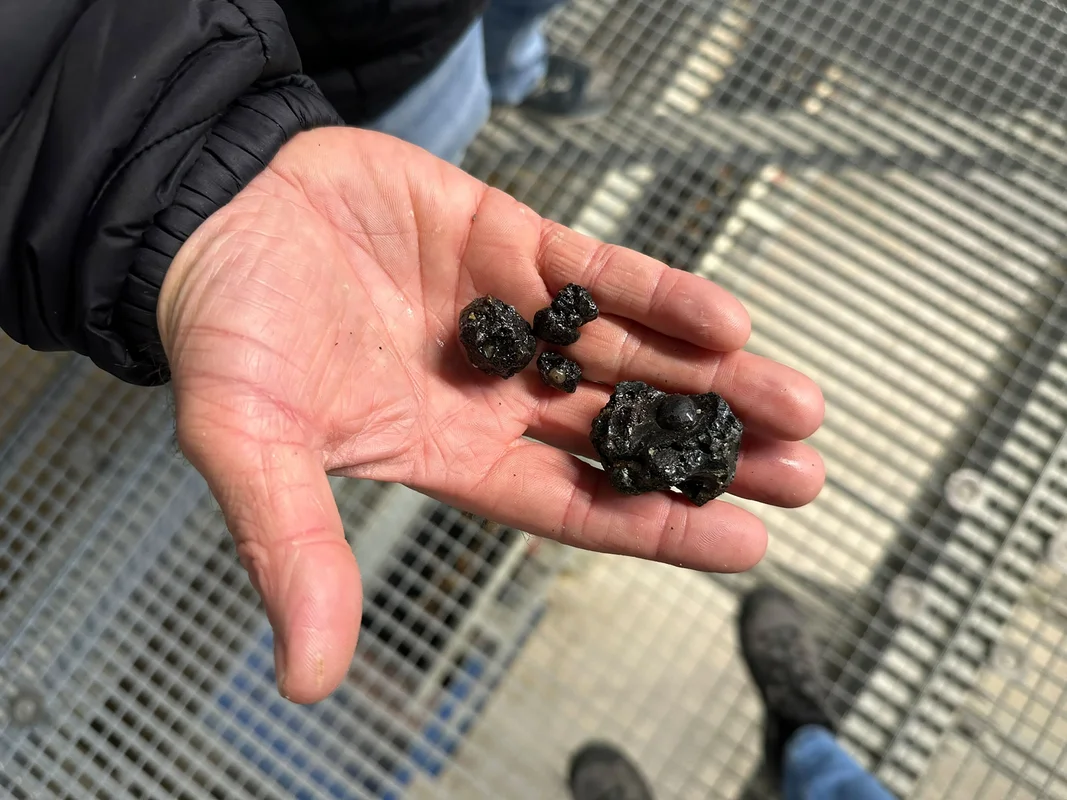
The technology is constantly being further developed. In future, artificial intelligence is set to help distinguish between materials that are difficult to tell apart using colour-based recognition alone. This will enable, for example, black gravel, asphalt and slag to be separated even more precisely.
This is also increasingly shifting the boundaries of what is actually considered waste. The more precisely different materials can be identified and separated from one another, the greater the proportion that regains a defined quality and can be reused.
#schongenial is when technology not only reduces waste but also changes where our raw materials come from: instead of writing off materials after a single use, they become part of the value chain once again.