AI helps identify the smallest changes
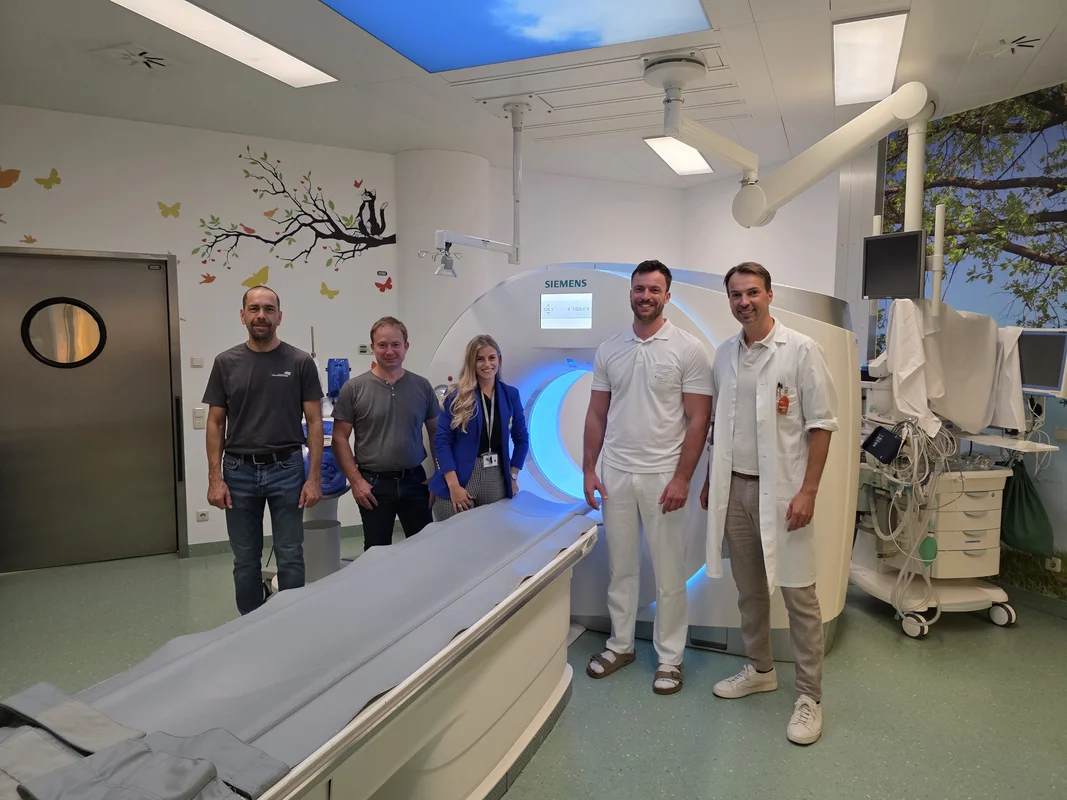
The current research project focuses on the AI-assisted analysis of chest CT scans. The aim is to develop and evaluate models that can automatically generate radiological reports and, in particular, reliably identify so-called lung nodules and track them across multiple examinations.
This is of particular medical relevance: the precise monitoring of such changes plays a key role in the early detection of lung cancer. Artificial intelligence is not intended to replace radiologists, but rather to support them in evaluating large volumes of medical image data. Twelve European countries are currently participating in this international project.
400,000 files from Linz for international research
The quality of the data plays a key role in this. For the research project, Kepler University Hospital provided datasets from 300 patients, including clinical information and medical imaging data. In total, around 400,000 anonymised and pseudonymised files were prepared for research purposes. Participation was reviewed and approved by the Ethics Committee of the Faculty of Medicine at Johannes Kepler University Linz.
It is precisely this kind of real-world clinical data that is of great importance for the development of high-performance AI systems. Publicly available datasets often fail to adequately reflect different clinical situations and examinations over time.
From Linz to Harvard for the second time
For the KUK, this collaboration is not a first. Back in 2023, the hospital took part in the ‘MAIDA – Medical AI Data for All’ project. At that time, data from intensive care and neonatal units, amongst other sources, was used to validate AI models for interpreting chest X-rays. The results have since been published in the renowned New England Journal of Medicine. The successful collaboration and the high quality of the data provided ultimately led to an invitation to join the next phase of the project.
#absolutelybrilliant that medical data from Upper Austria is becoming a building block for the medicine of tomorrow.