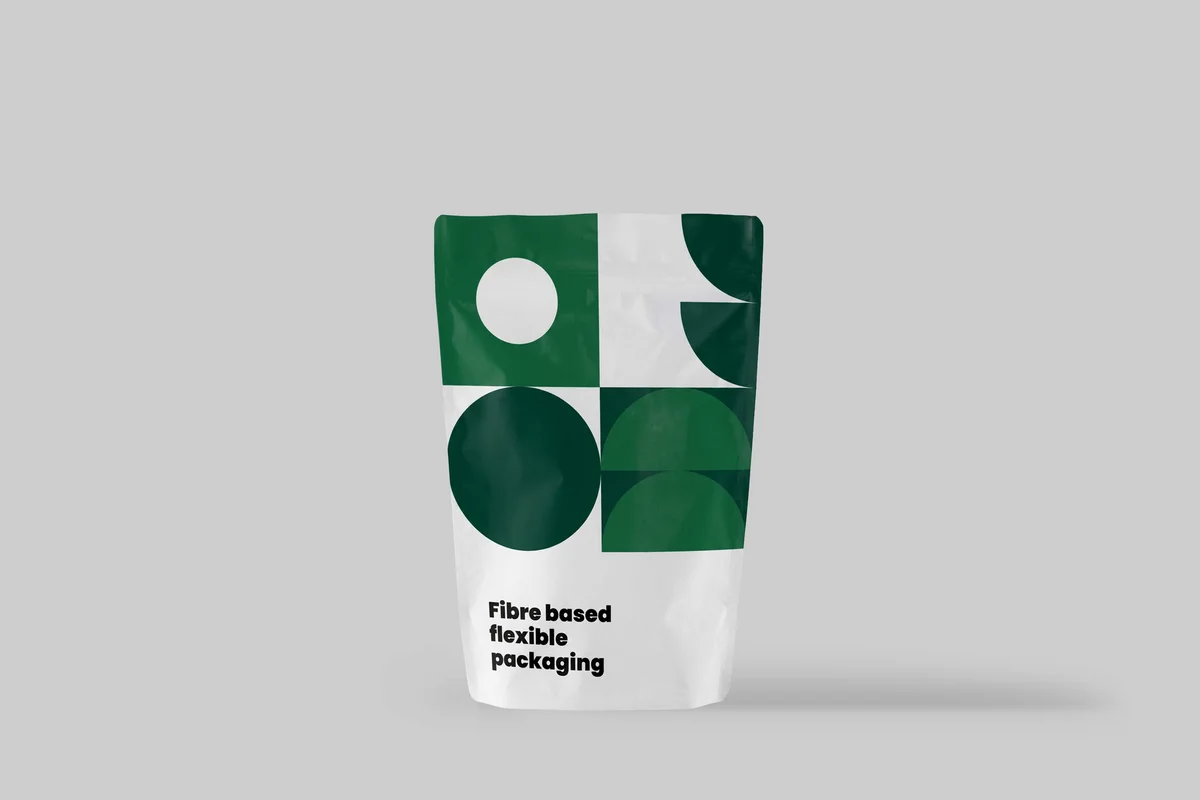
Particular focus is being placed on fibre-based alternatives made from paper and cardboard. These are intended for use in situations where they can replace single-use plastic without compromising on stability, hygiene or product protection. For applications with specific requirements – such as those involving foodstuffs – the industry is also developing innovative barrier coatings that protect paper from moisture, grease or oxygen whilst remaining as recyclable as possible.
Greater sustainability without compromising on quality
For consumers, this means one thing above all: more sustainable packaging should make everyday life easier without compromising on product quality. Food remains fresh, delicate goods are reliably protected and packaging continues to meet high hygiene standards. The difference lies in the fact that significantly less single-use plastic is used, and the materials can be more easily returned to existing recycling loops.
Disposal is also made easier. Packaging made from paper and cardboard can be recycled in many places via established collection schemes. As a result, the fibres remain in the cycle for longer and need to be replaced by new raw materials less frequently. For consumers, this means being able to contribute to the conservation of resources through a simple purchasing decision, without having to fundamentally change their shopping habits.
A circular economy instead of a throwaway society
Another aspect of this shift concerns the environmental footprint across the entire life cycle of a packaging item. The MM Group emphasises that it is not just the choice of material that is crucial. Equally important are reduced material usage, shorter value chains, high recyclability and the return of fibres to the raw material cycle. Sustainability therefore does not begin with recycling, but right from the packaging design stage.
Why this affects us all
For society, this development means far more than just less plastic waste. Packaging that is produced in a resource-efficient manner and is easier to recycle helps to save energy, water and raw materials. At the same time, it supports the transition to a functioning circular economy, in which materials are used for as long as possible rather than being disposed of after a single use. #schongenial.