Between fascination and uncertainty
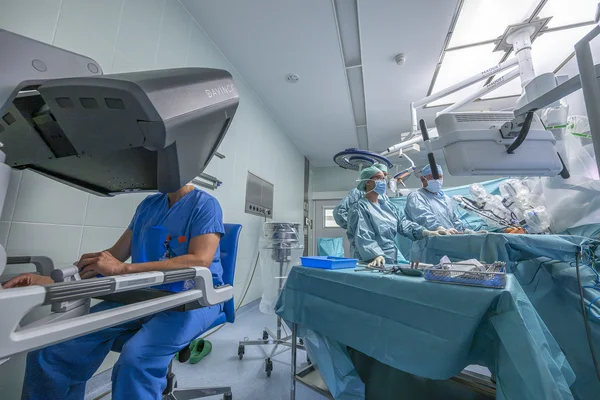
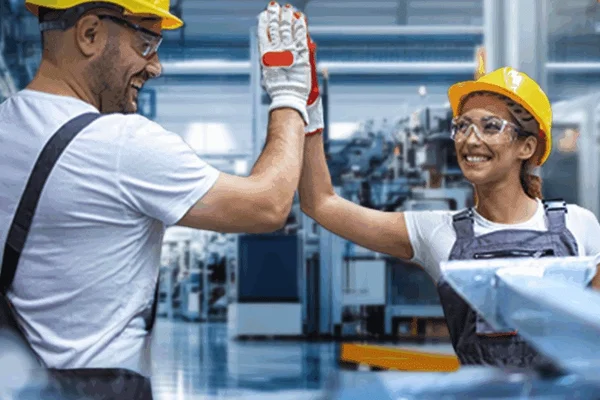
Whether in the workplace, in healthcare, in care work or in our private lives: humanoid robots could in future take on tasks that were previously the preserve of humans. They could relieve us of physical strain, carry out dangerous tasks or provide support where staff resources are in short supply.
Yet these possibilities also give rise to new challenges. How is our understanding of work changing? What responsibilities can we entrust to machines? How much trust do we place in an artificial counterpart? And what significance do human closeness, empathy and interpersonal relationships hold in an increasingly technologised society?
Precisely because humanoid robots are modelled on our own appearance, they raise questions that go far beyond their technical capabilities.
The future is a task for society to shape
What matters is not merely what is technologically possible, but what is socially meaningful and desirable. The development of humanoid robots must therefore not be solely a matter for research, industry and technology companies. It requires a broad societal debate that takes into account opportunities as well as risks and ethical issues.
This requires knowledge, personal experience and spaces in which people can familiarise themselves with new technologies, scrutinise them critically and develop their own views. For technological progress does not automatically translate into social progress.
Humans and machines on an equal footing
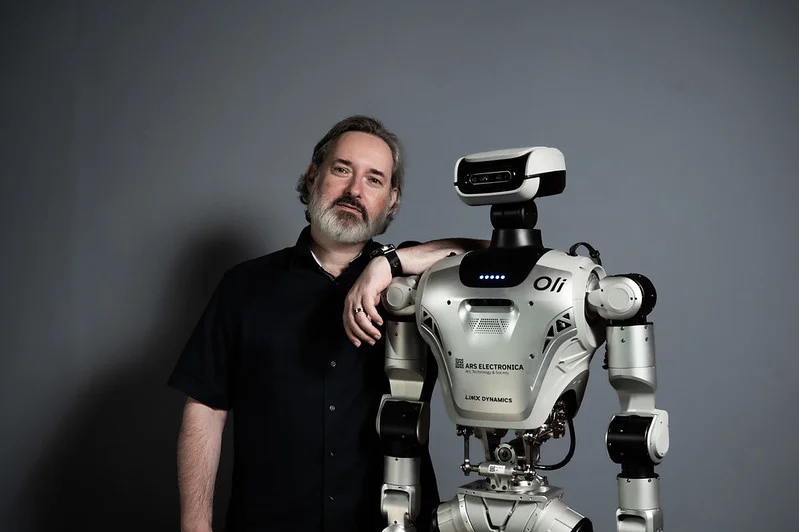
With the new RoboLab and the RoboArena, the Ars Electronica Centre in Linz is creating two spaces for experiencing this sensitive topic.
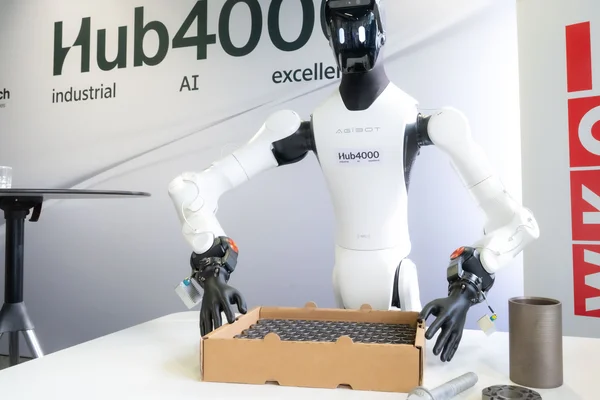
In the RoboLab, the focus is on the inner workings of humanoid robots. Visitors discover the technologies behind their movements and human-like abilities.
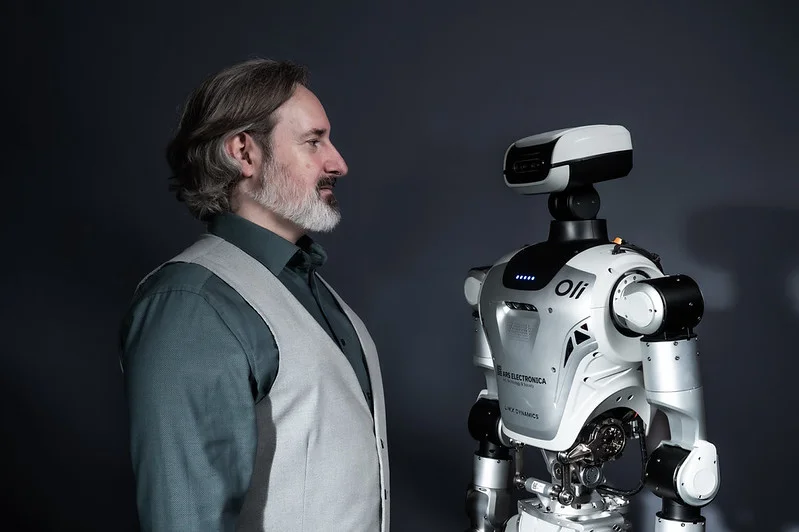
The RoboArena, on the other hand, enables direct encounters with humanoid machines. Here, visitors can experience just how fascinating, familiar and yet alien our technological counterparts can be.
Invitation to the opening: Encountering the future face to face
What does it feel like to stand face to face with a machine that resembles us? What can it actually achieve, and where are its limits?
We warmly invite you to explore these questions together, discover new things, gain your own experiences and reflect on the future of human-machine coexistence.
Opening: RoboLab & RoboArena
Monday, 30 November 2026
6.30 pm to 9.30 pm
Ars Electronica Centre, Linz
Free admission!