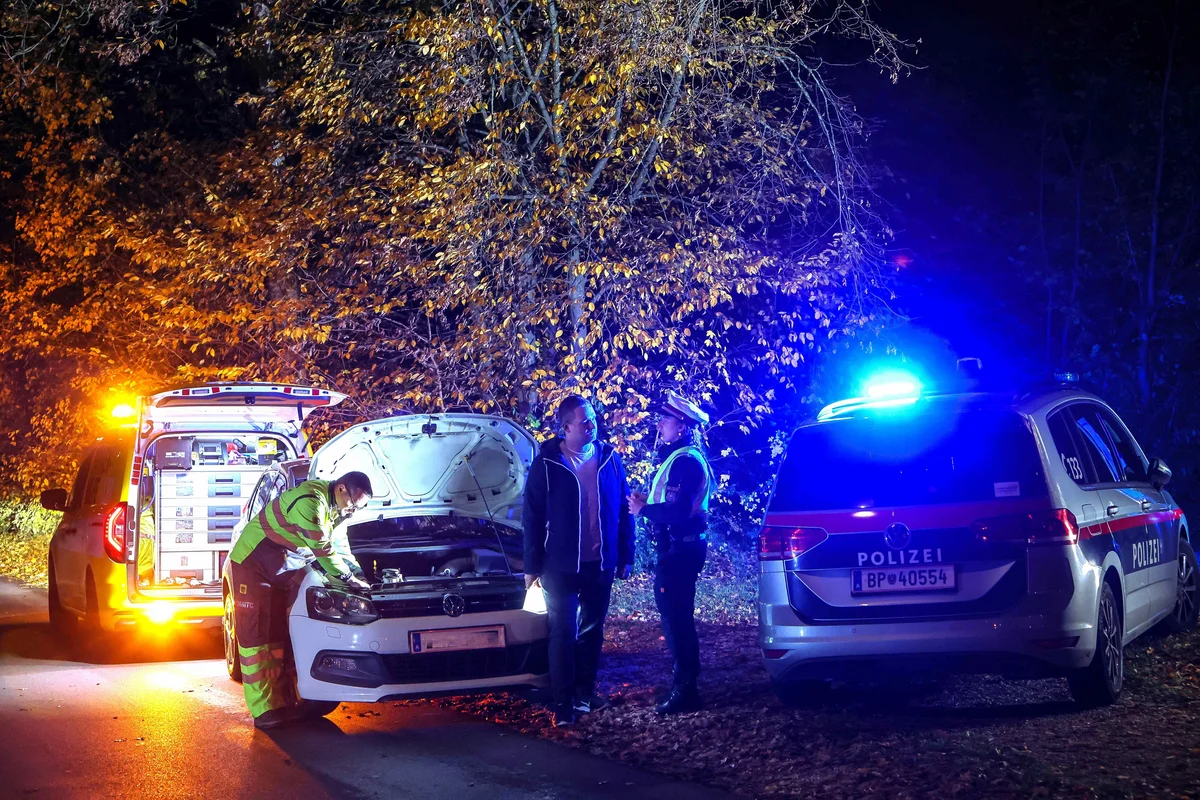
The police and the ÖAMTC carried out a joint targeted campaign around all 18 ÖAMTC service centres in Upper Austria. The focus was not on imposing penalties, but on road safety.
The police specifically stopped vehicles with faulty lighting. Technicians from the ÖAMTC then dealt with the defective bulbs and replaced them immediately where possible. If a repair could not be carried out on the spot, drivers were given a voucher for a free bulb replacement at an ÖAMTC service centre.
“This campaign combines preventive road safety work with practical assistance. Rectifying a lighting fault immediately improves safety – for the drivers themselves and for everyone else on the road,” emphasises Upper Austria’s Provincial Police Director Andreas Pilsl.
Thousands of accidents in the dark
Current accident figures highlight just how important fully functional vehicle lighting is. Last year, 9,006 road accidents resulting in personal injury occurred across Austria during the hours of darkness. This accounts for almost a quarter of all accidents involving injuries.
Particularly striking: most of these accidents were recorded between October and February. This means that, especially during the autumn and winter months, the importance of fully functional lighting increases.
When seconds count
Faulty headlights not only restrict your own visibility but also endanger other road users. If rear lights or indicators fail, distances, directions of travel or the width of a vehicle may be misjudged. This can have serious consequences, particularly when overtaking.
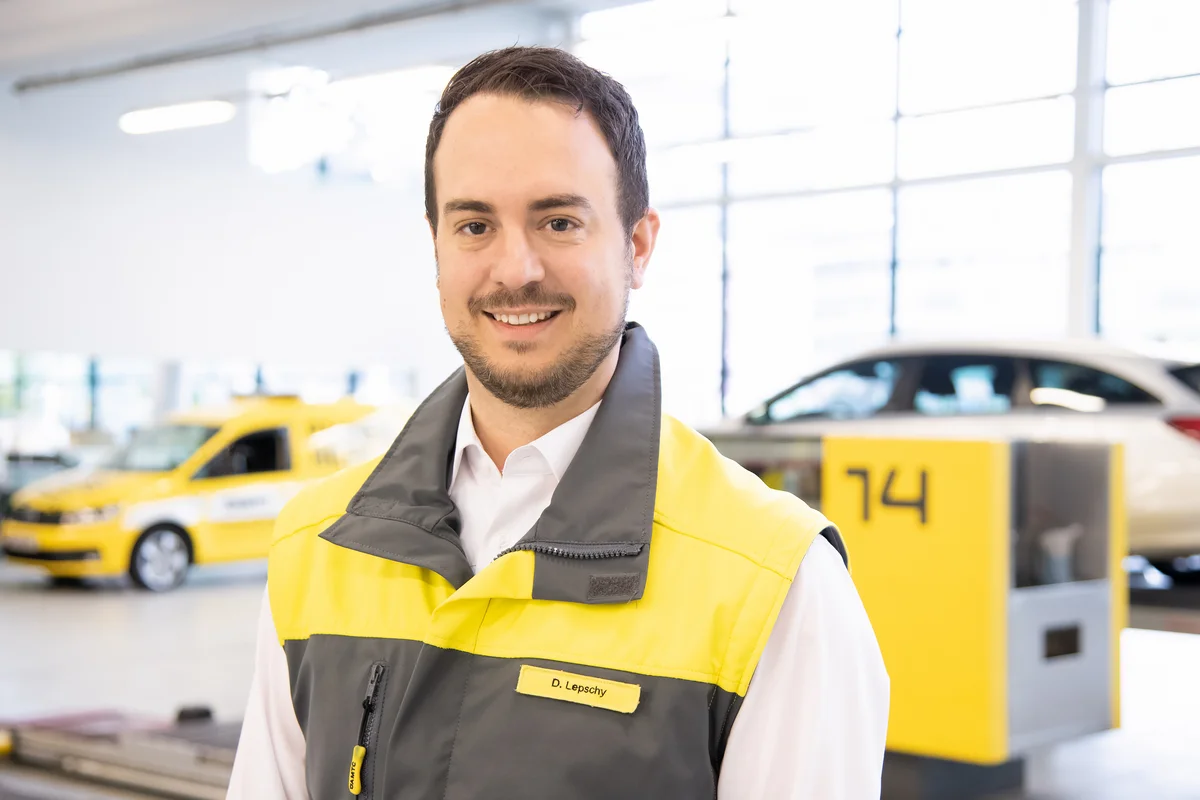
“Working lights are not a minor detail, but a crucial safety factor: anyone who cannot see properly or is spotted too late has less time to react,” explains Dieter Lepschy, chief technician at ÖAMTC Upper Austria.
He is pleased that the successful collaboration with the police has been in place for many years. The joint campaign was also carried out in Vienna, Lower Austria and Burgenland.
Checking your lights is this simple
The ÖAMTC recommends regularly checking that all vehicle lights are working properly. In addition to the headlights, this includes rear lights, brake lights and indicators.
The easiest way to carry out the check is with a partner. Alternatively, drivers can use a light-coloured wall or a reflective surface to check their lights.
#schongenial, because especially during the dark winter months, the following applies: if you can see well and are seen in good time, you’ll be safer on the road.