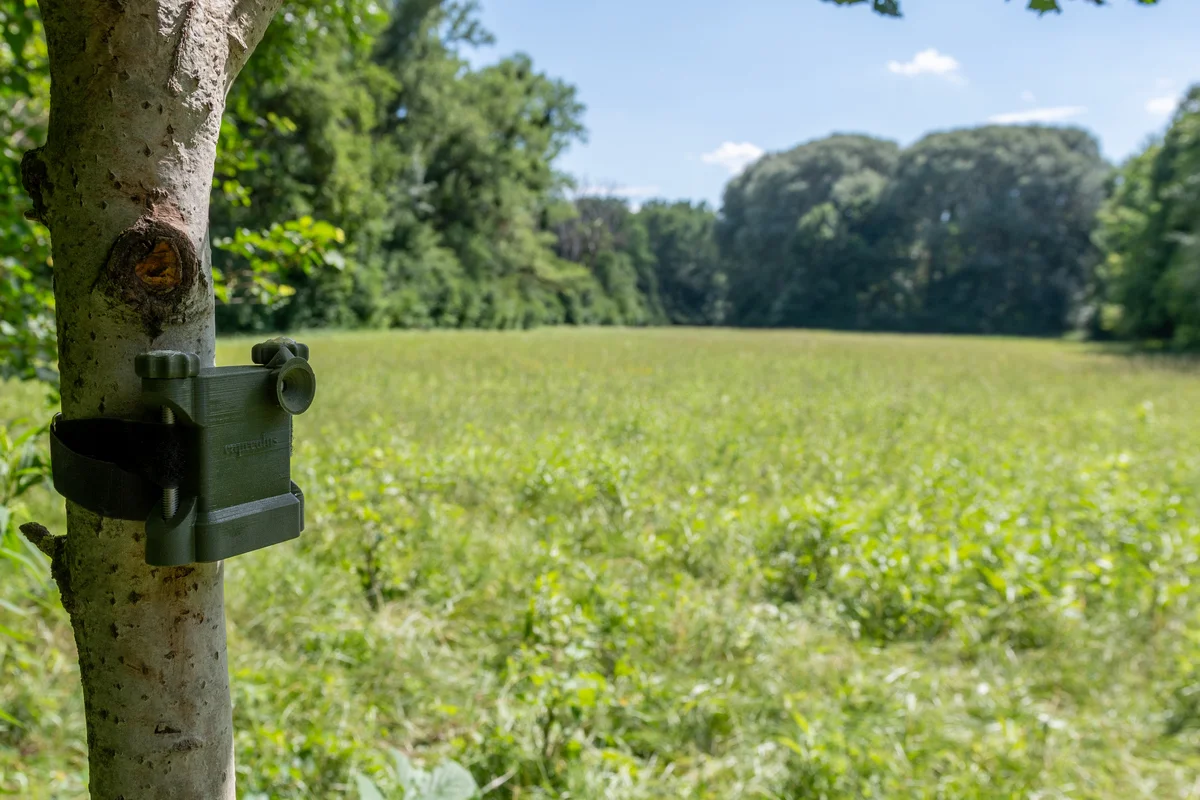
The devices record background noise in forests and nature reserves over a period of several weeks. An AI then analyses the recordings and identifies characteristic bird calls. This new method complements traditional field observations carried out by experts and enables significantly more extensive data collection, even at times when people are largely unable to access the terrain.
Valuable data for species conservation
Initial projects in the Kalkalpen and Donau-Auen National Parks are already demonstrating the benefits of the technology. Among other things, it has enabled the detection of the corncrake and the pygmy owl – both species whose presence had previously often gone undetected. The data collected helps to identify breeding areas and implement targeted conservation measures. In the case of the corncrake, a planned meadow mowing was even postponed to preserve the habitat of these rare birds.
Why this affects us all
The use of AI in nature conservation shows that modern technologies can do far more than just write texts or generate images. They provide important insights into how animal populations are developing and what impact climate change, habitat loss or human intervention have on biodiversity.
Ultimately, we all benefit from this: healthy ecosystems ensure clean water, stable forests, protection against natural hazards and high biodiversity – services that are indispensable for both people and the economy. The sooner changes are detected, the more effectively conservation measures can be implemented.
#schongenial – this is how the Federal Forests demonstrate how digitalisation and nature conservation can work together successfully.