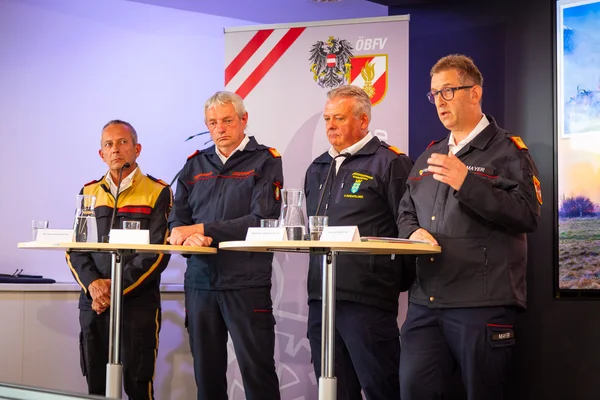
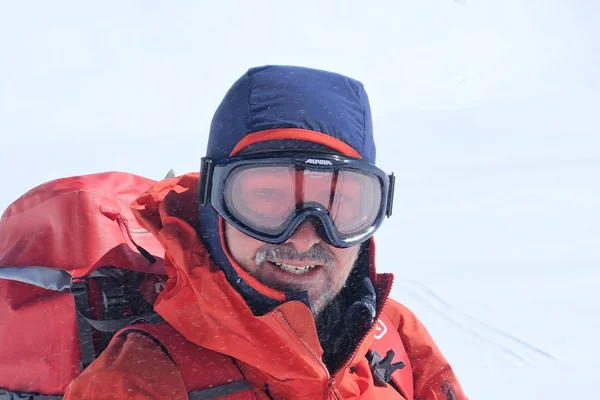
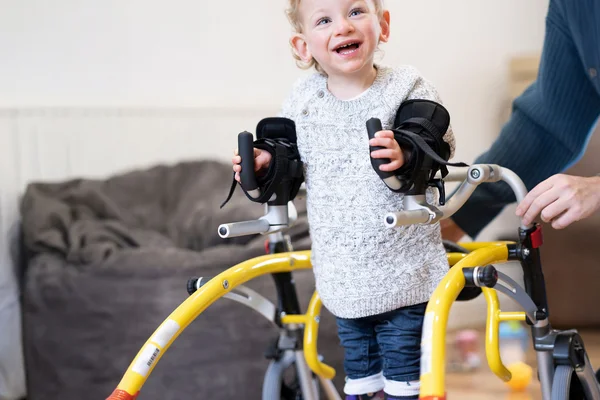
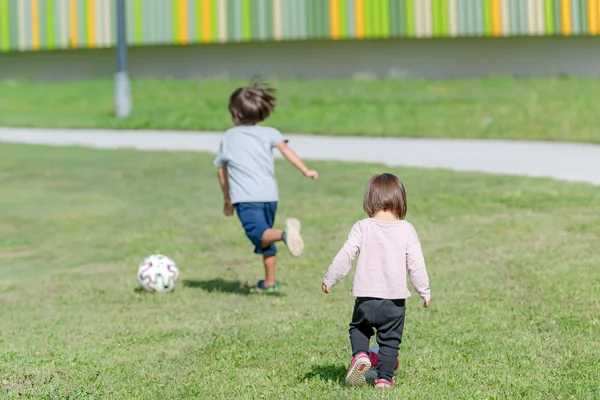
"We are often the fourth pole for the kids alongside family, friends and school," says Jürgen Hahm, Managing Director of vesecon and also President of the Shindo Askö Auhof karate club. "Children and young people find structure, motivation and a sense of belonging not only at our club, but in all clubs. All values that go far beyond sport."
Sports clubs not only promote physical health through exercise and coordination, but also have a preventative effect against lack of exercise and the resulting problems such as obesity or poor posture. But that is only part of the picture. Much more important is the emotional and social development that children undergo in a club environment.
Self-confidence, discipline and team spirit
In training, children learn to set goals and stick to them, and experience what success through commitment feels like. "Children need a sense of achievement, but they also need defeats in order to learn from them," emphasises Hahm. "Sport offers a safe environment for this." Through regular training, they develop self-confidence and resilience. These qualities strengthen the children, especially in their everyday lives and at school. At the same time, they experience what it means to be part of a team, to take responsibility and to show consideration.
Community, integration and the silent support in the background
Sports clubs bring together children of different backgrounds, interests and temperaments. They promote social skills, tolerance and empathy. "What counts in a club is not where you come from, but that you take part," explains Hahm. "This experience is formative for many children."
But none of this would be possible without the commitment of numerous volunteers. Coaches, organisers and parents perform countless hours of voluntary work, usually unnoticed and without much recognition. "Without these people, no club would be able to function," says Hahm. "With their commitment, they not only contribute to club life, but also to social cohesion."
We think the work of (sports) clubs is #schongenial because it goes far beyond sport and exercise: it offers children a safe space to develop self-confidence, discipline and a sense of community, promotes integration and cohesion and is also supported by countless volunteer heroes who keep our society alive and strong with their commitment.