Learning where work takes place
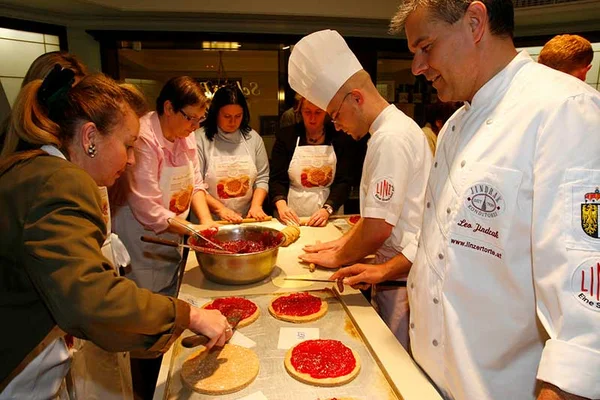
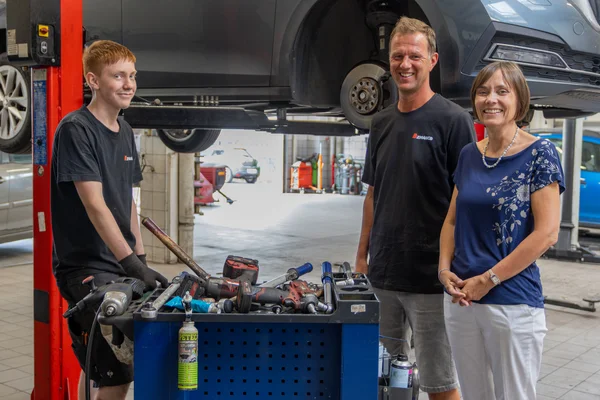
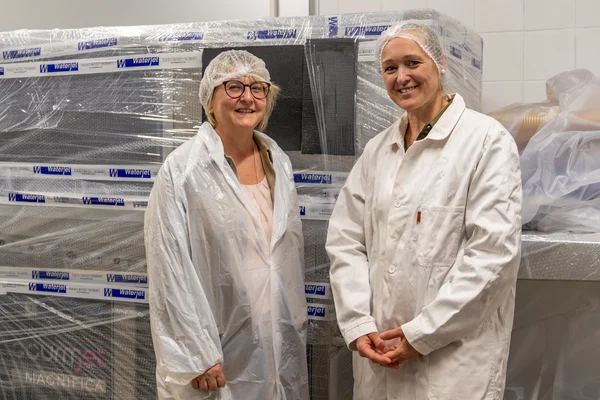
What makes the WIBA model special is the close link between training and practical experience. Since 2021, Esterhazy has been providing apprenticeship places and offering participants the opportunity to acquire important skills directly within the day-to-day running of the business. Rather than focusing solely on theoretical content, the programme centres on real-life work processes, specific tasks and practical experience. Trainees not only learn technical skills, but also teamwork, communication and how to work independently.
Individual support as the key to success
Every individual brings different talents, needs and circumstances to the programme. That is why the Economic-Integrative Vocational Training programme is based on tailor-made training plans. Participants are guided and supported by experienced specialists throughout their training. Learning objectives are defined jointly and individual development steps are planned. This personalised coaching ensures that trainees can realise their full potential whilst gaining confidence in their day-to-day working lives. The project is funded by the AMS Burgenland.
A win-win for people and businesses
Inclusion is far more than just social responsibility. Businesses benefit from committed staff who bring new perspectives and valuable experience to the workplace. At the same time, this collaboration demonstrates that diversity in the workplace can work effectively when the right conditions are in place. Experts have been emphasising for years that inclusive education and training programmes are crucial for strengthening social participation and sustainably improving access to the labour market.
The partnership between Esterhazy and “Rettet das Kind” clearly illustrates what successful inclusion can look like in practice: through individual support, genuine work experience and the shared goal of showing people opportunities rather than limitations. #schongenial – it’s brilliant when inclusion isn’t just talked about, but is put into practice day in, day out.