What makes it special is that the content is consistently tailored to the pupils’ everyday lives. Whether it’s electricity consumption in daily life, consumer behaviour or career prospects, everything is made tangible and easy to understand. This fosters not just knowledge, but genuine awareness.
From the classroom to the future
The Energy School takes education a step further. Through a series of modules – tailored to age and school type – young people are introduced step by step to complex topics such as renewable energy or sustainable lifestyles. At the same time, it’s also about guidance: Which careers have a future? What role does sustainability play in the workplace?
This opens up new perspectives, particularly for young people on the cusp of entering the workforce. They learn that climate protection is not an abstract concept, but offers concrete professional and personal opportunities.
Getting involved rather than just listening
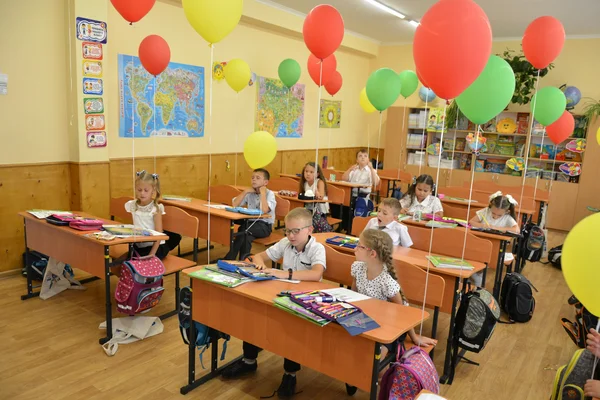
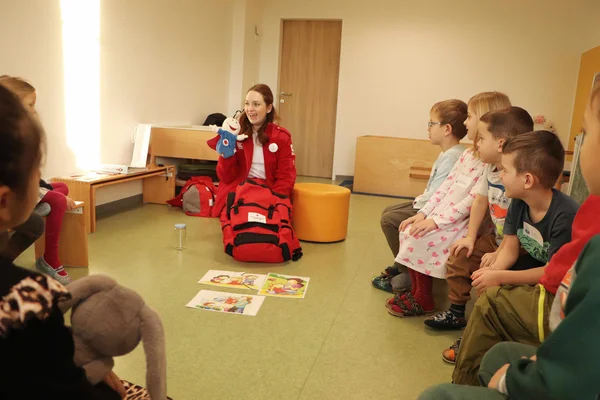
A key factor in the project’s success is its interactive approach. Pupils take an active role themselves, measuring energy, conducting experiments and developing their own ideas. This ‘learning by doing’ makes all the difference: passive listeners become engaged contributors.
At the same time, teachers are also involved and trained so that the topics can be firmly established in the curriculum in the long term. In this way, the project has an impact far beyond individual workshops and brings about lasting change in the education system.
A model with a signal effect
The Munich Energy School impressively demonstrates how education can become a driving force for social change.
#schongenial, because ultimately it’s about more than just knowledge. It’s about giving young people the feeling that they can make a difference. And it is precisely this feeling that can be the key to a sustainable future.