Self-help as an integral part of care
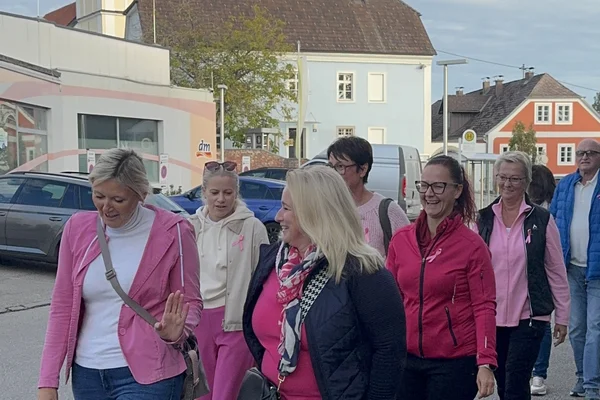
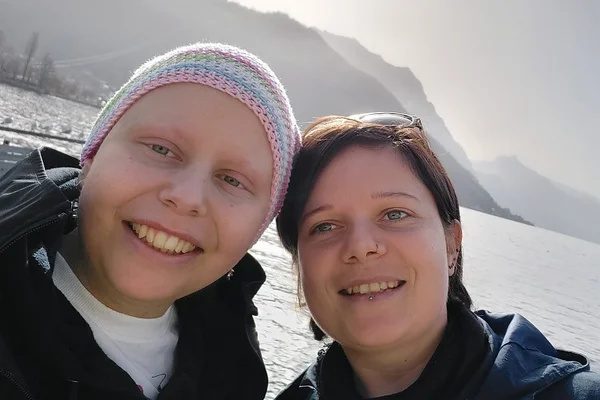
Around 1,000 patients take part in self-help programmes every year, which are organised in close cooperation with the Ordensklinikum Linz. The meetings are much more than a classic "armchair circle". Specialist presentations by experts, information on new therapies and personal dialogue about experiences, side effects and coping strategies alternate. This form of support plays a key role in the oncological field in particular: in addition to treatment in hospital, self-help helps people to deal with a cancer diagnosis in the long term.
"People need first-class medical care when they are faced with a serious diagnosis. They get this from us at the Ordensklinikum Linz. The exchange with others who share a similar fate can also be a great support in everyday life," emphasise Managing Directors Dr Stefan Meusburger, MSc and MMag Walter Kneidinger.
Nine oncology groups and strong coordination
A total of nine oncological self-help groups are based at the Ordensklinikum Linz - from breast to prostate cancer. A further eleven groups deal with chronic illnesses such as asthma, tinnitus or long Covid, supplemented by offers for parents of children with type 1 diabetes or trisomy 21. The collaboration is coordinated by the self-help officer Katharina Sigl, who supports the group leaders, organises specialist lectures and acts as an interface between patients and the hospital. There are fixed contact persons for each medical speciality and the management level is regularly involved in group meetings.
Onko-Treff 2.0: Co-creating instead of just listening
One example of the further development of this collaboration is "Onko-Treff 2.0". At these webinars, questions from the self-help groups are incorporated into the presentations by doctors and carers in advance. In this way, exactly those topics are dealt with that affect those affected in everyday life.
#It's #schongenial when those affected are not left alone in such difficult life situations.