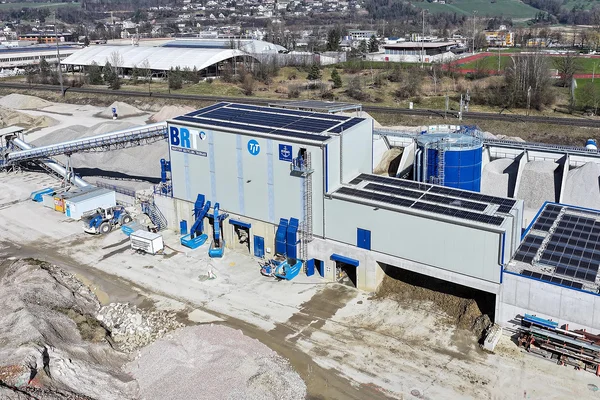
The gypsum core is precisely separated from cardboard and impurities, finely shredded and processed into high-quality recyclate. This material then serves as the basis for the production of new plasterboard. This creates a closed cycle that makes the building material gypsum fully recyclable for the first time. With a planned recycling rate of up to 40% in new boards, a functioning material cycle is created that is both ecologically and economically convincing.
Sustainable building material instead of landfill waste
The importance of this innovation will be further enhanced by the upcoming landfill ban for plasterboard from 1 January 2026. In future, old plaster can no longer simply be disposed of, making recycling a necessary and sensible alternative. The new plant plays a key role here: it prevents valuable raw materials from being lost and at the same time reduces the burden on landfill sites. By returning the material to the production process, natural gypsum deposits are conserved and CO₂ emissions are reduced, as less primary gypsum has to be extracted and transported.
The project is an example of how the circular economy can work in the construction industry. Instead of linear consumption, a sustainable system is being created in which building materials are used multiple times. This opens up new ways for the construction industry to operate more sustainably and fulfil legal requirements efficiently. At the same time, the plant strengthens regional value creation and creates prospects for further innovations in the field of construction waste utilisation.
#This important milestone for climate-friendly building material cycles and a more sustainable construction future in Austria is #schongenial.