When stones go into beer
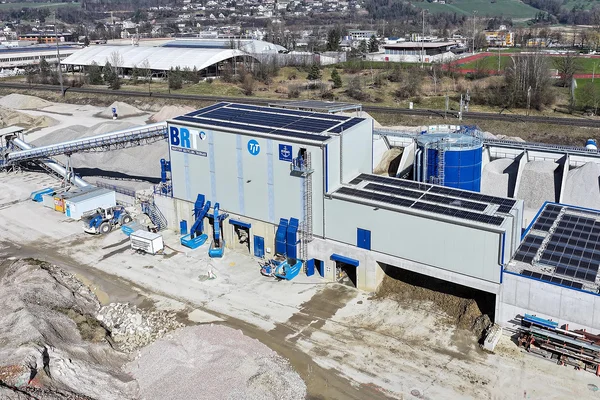
The idea sounds crazy, but it is ingeniously thought out: granite from the quarry in St. Martin is heated to over 1000 degrees. The wort is cooled in the brewhouse and poured into the 120-year-old granite vats. The heat caramelises the sugar directly in the wort. The result is flavours that can never be achieved any other way: deep caramel notes, hints of dark chocolate, a complexity that cannot be accelerated.
The brew ferments for a week in these historic vats: the main fermentation, during which the yeast does its work. The young beer is then transferred to the tanks in the brewery's deep cellar, where it is allowed to continue maturing in peace. This process takes a total of six months before the unfiltered and unpasteurised Granitbock is bottled. No compromises, no shortcuts.
The brew that an American wanted
It was clear from the very first attempt: this is something special. An American beer importer wanted to buy up the whole brew. The answer from Hofstetten? "Not all at once. But gladly a partnership." Since then, Granitbock has also travelled across the Atlantic, but remains firmly rooted in the Mühlviertel.
With 17.8° Plato original wort and 7.3% alcohol, Granitbock is not an after-work beer. It is an experience. A beer that shows that beer can be more than just a quick thirst quencher: namely craftsmanship, history and a bit of stubbornness.
The question of why
The answer is simple: because this knowledge would otherwise disappear. And - according to Managing Director Peter Kramer: "Because in Hofstetten nobody asks "Why the effort?", but "How do we do it right?""
#schongenial when old brewing traditions are practised again and thus not forgotten.