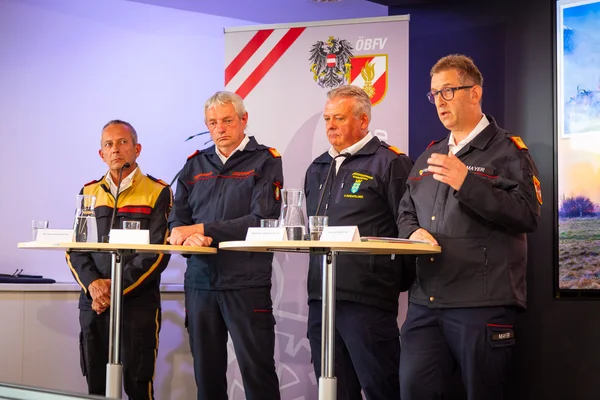
“Our staff in the control centres are there for people around the clock. They make decisions in a matter of seconds that can save lives. Modern technology supports them in this, but the focus is always on people,” says Gottfried Hirz, President of the Upper Austrian Red Cross, ahead of today’s Emergency Call Day.
Between routine and emergency
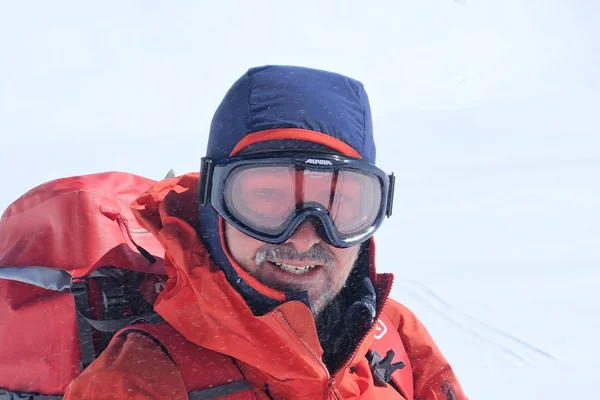
For Michael Fenzl from Freistadt, it is precisely this mix of routine and uncertainty that is part of everyday life. The 55-year-old has been a volunteer with the ambulance service since 1989 and has worked full-time for the Upper Austrian Red Cross since 1991. His dual role in the control centre and on the front line is what makes the job particularly appealing to him: “It’s a great change of pace. You have a direct link to what’s happening out there and bring that experience back to the control centre. Much of it is routine, but you never know what to expect. That’s exactly what makes the work exciting,” says Fenzl.
An emergency call every 32 seconds
The figures highlight the enormous workload: in 2025, a total of 983,904 calls were handled in Upper Austria. That’s an average of one every 32 seconds. Calls involving children are particularly demanding. “No matter how much experience you have, it doesn’t leave you unscathed. Even when there’s sheer desperation on the other end of the line, you have to remain calm. That’s the only way you’ll get the information we need to help quickly and effectively.”
For Fenzl, it’s clear: “We’re the first point of contact in the rescue chain. Our job also involves providing first-aid guidance over the phone in life-threatening emergencies. At the same time, we support the emergency services and direct them to the scene.”
Technology helps – people decide
Statistically, an ambulance is dispatched every minute in Upper Austria. To ensure help arrives quickly, control centres and emergency services work closely together. Whilst local knowledge used to be crucial, today digital maps, mobile phone tracking or systems such as Emergency Eye support the work.
But despite all the technology, one thing remains unchanged: every rescue begins with a conversation and a person who listens, keeps calm and takes the right steps. #schongenial, when people often give up their free time for the good of others.